
What Should You Eat on GLP-1 Medication? A Dietitian's Honest Guide
Written by Marina Savelyeva, MS, RDN, LD | Medically Reviewed | Updated March 2026
- Focus on lean protein, high-fiber vegetables and whole grains, and healthy fats — these food groups work alongside GLP-1 medications, not just around them.
- Avoid sugary beverages, refined carbohydrates, and high-saturated-fat foods, which can blunt your medication's hormonal effectiveness.
- Protein at every meal is especially important — reduced appetite on GLP-1 therapy creates a real risk of muscle loss if protein intake drops too low.
- What you eat on GLP-1 therapy doesn't just support the medication. It can meaningfully amplify how well it works.
A patient sat across from me last year — six weeks into semaglutide, finally feeling her appetite shift for the first time in years — and asked me something I hear in almost every follow-up: "Do I still have to watch what I eat, or does the medication handle that now?"
It's a fair question. And the honest answer is: what you eat on GLP-1 therapy matters more than most people realize. The right foods don't just support your medication — they can meaningfully amplify how well it works. The wrong ones can work against it, blunting the effectiveness you've worked hard to get and making side effects worse in the process.
This guide gives you a practical, evidence-informed framework for eating on GLP-1 medications like Ozempic, Wegovy, Mounjaro, or Victoza — not a generic "eat healthy" checklist, but a specific, reasoned approach built around how these medications actually work in your body.
What Should You Actually Eat on GLP-1? A Dietitian's Framework
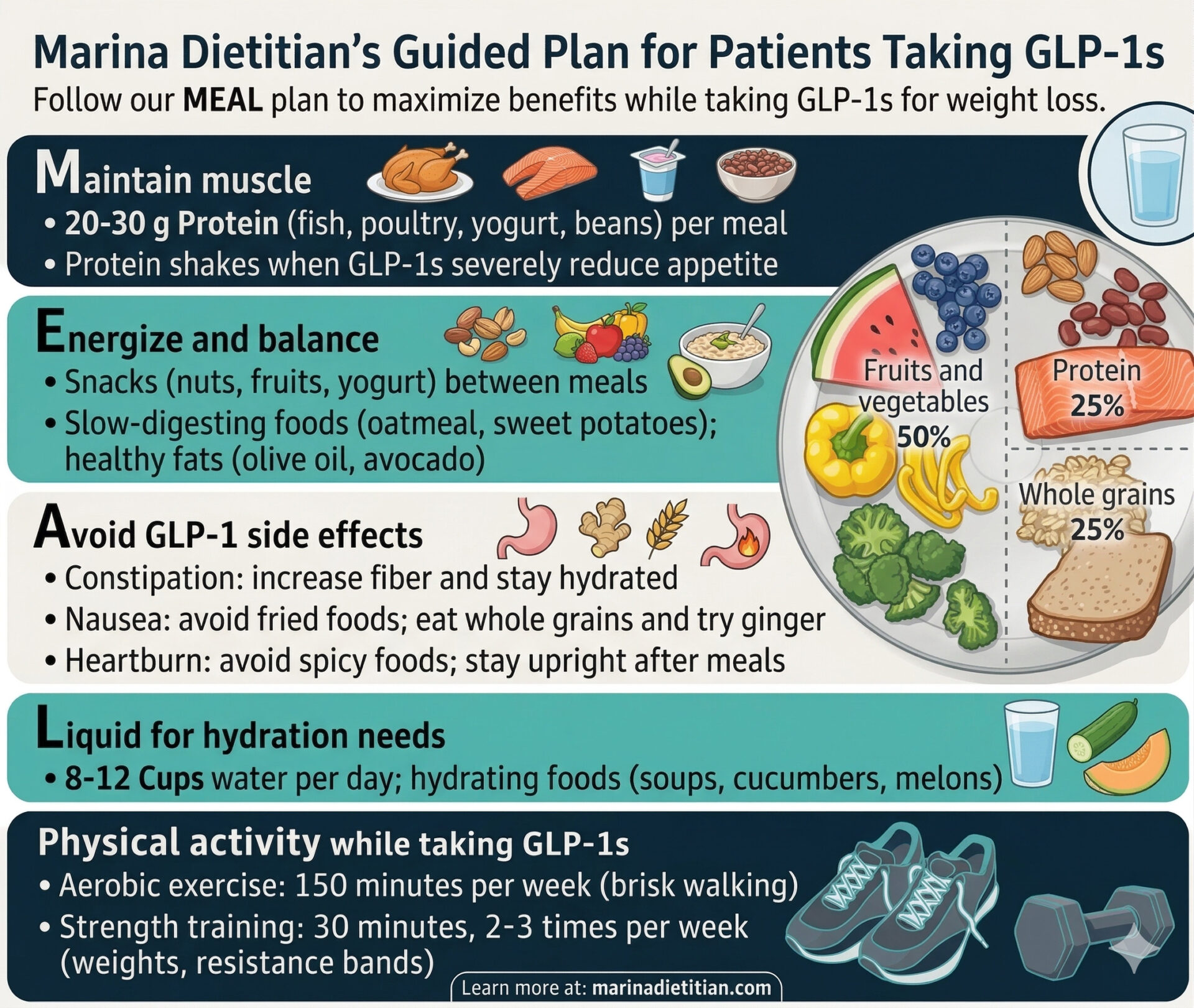
GLP-1 medications work partly by slowing how quickly food leaves your stomach, which helps you feel full longer and keeps blood sugar from spiking after meals. Here's what that means for your plate: the foods that support that same process — fiber, lean protein, healthy fats — become your strongest allies. Whole, minimally processed foods aren't just a good idea in general. On GLP-1 therapy, they're doing active work alongside your medication.
Research on managing type 2 diabetes and metabolic health consistently points to a diet built around high-fiber foods, quality protein, and healthy fats — while limiting saturated fat and refined carbohydrates. (Evert AB, et al. Diabetes Care. 2019; Ley SH, et al. Am J Clin Nutr. 2014.) That framework maps almost perfectly onto what GLP-1 users need.
How Much Protein Do You Need on GLP-1?
This is the question I get most in my practice, and it matters more than most patients expect. When you're eating significantly less — which many GLP-1 users do, especially in the early weeks — protein is what keeps your body from losing muscle mass along with fat.
Aim for protein at every meal. General clinical guidance for adults on GLP-1 therapy often falls in the range of 1.2–1.6 grams of protein per kilogram of body weight per day, though your care team should help you personalize this based on your weight, activity level, and medication.
Talk with your dietitian or prescriber about your specific protein target before adjusting intake.
High-protein foods to prioritize:
- Eggs — protein plus monounsaturated fats, which research suggests can stimulate GLP-1 release and support satiety || Source
- Lean poultry and fish — lower in saturated fat, and easier on digestion than high-fat red meats
- Legumes — beans, lentils, and chickpeas deliver both protein and fiber, making them one of the most efficient foods for GLP-1 users
- Greek yogurt and cottage cheese — easy to eat in smaller quantities, protein-dense, and gentle on a stomach that may be more sensitive
Think of protein not as a macronutrient goal to hit, but as a safeguard. Every gram you eat while in a calorie deficit is working to protect the muscle you've built.

3 Steps to Set Your Course
Book a Discovery Call.
Drop anchor and let’s talk about your challenges and goals and make sure we can sail smoothly together.
Personalized Consultation.
Set your sails with a customized plan, ensuring you’re on the right path towards better health.
Live a Better Life.
With your nutrition map in hand, sail towards a happier, healthier future, free from confusion and overwhelm.
Why Fiber Belongs at the Center of Your GLP-1 Meal Plan
Fiber is doing double duty on GLP-1 therapy. First, it slows digestion — complementing the medication's own gastric-slowing effect to keep you fuller, longer. Second, fiber from food is a natural stimulant for your body's own GLP-1 production. Skipping it isn't just a missed nutritional opportunity — it may actually reduce the hormonal response your medication is trying to support.
General clinical guidelines recommend 25–38 grams of fiber per day for most adults, though individual needs vary. (Position of the Academy of Nutrition and Dietetics: Health Implications of Dietary Fiber. J Acad Nutr Diet. 2015;115(11):1861-1870.)
The best fiber sources for semaglutide and other GLP-1 users:
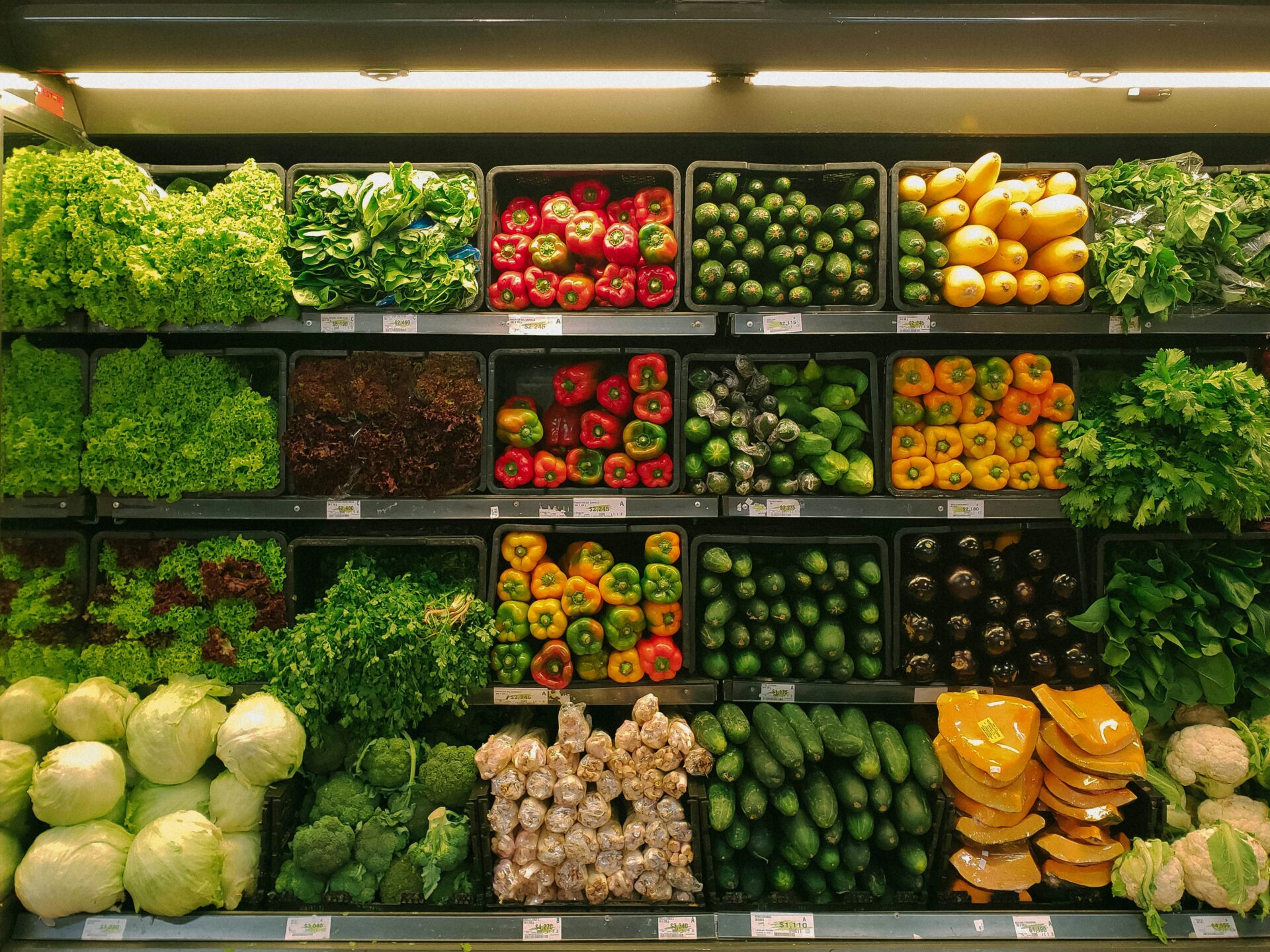
- Non-starchy vegetables — broccoli, Brussels sprouts, carrots, leafy greens like spinach, kale, and Swiss chard
- Whole grains — oats, quinoa, and brown rice provide sustained energy and steady blood sugar
- Legumes — their fiber-protein combination is nearly unmatched for GLP-1 users
- Low-sugar fruits — berries (blueberries, strawberries, raspberries) offer antioxidants and fiber with less sugar impact than most other fruits
If you're new to GLP-1 medications, increase fiber gradually. The medication already slows how quickly food leaves your stomach — dramatically increasing fiber all at once can intensify GI side effects. Add one high-fiber food at a time and give your body a week to adjust.
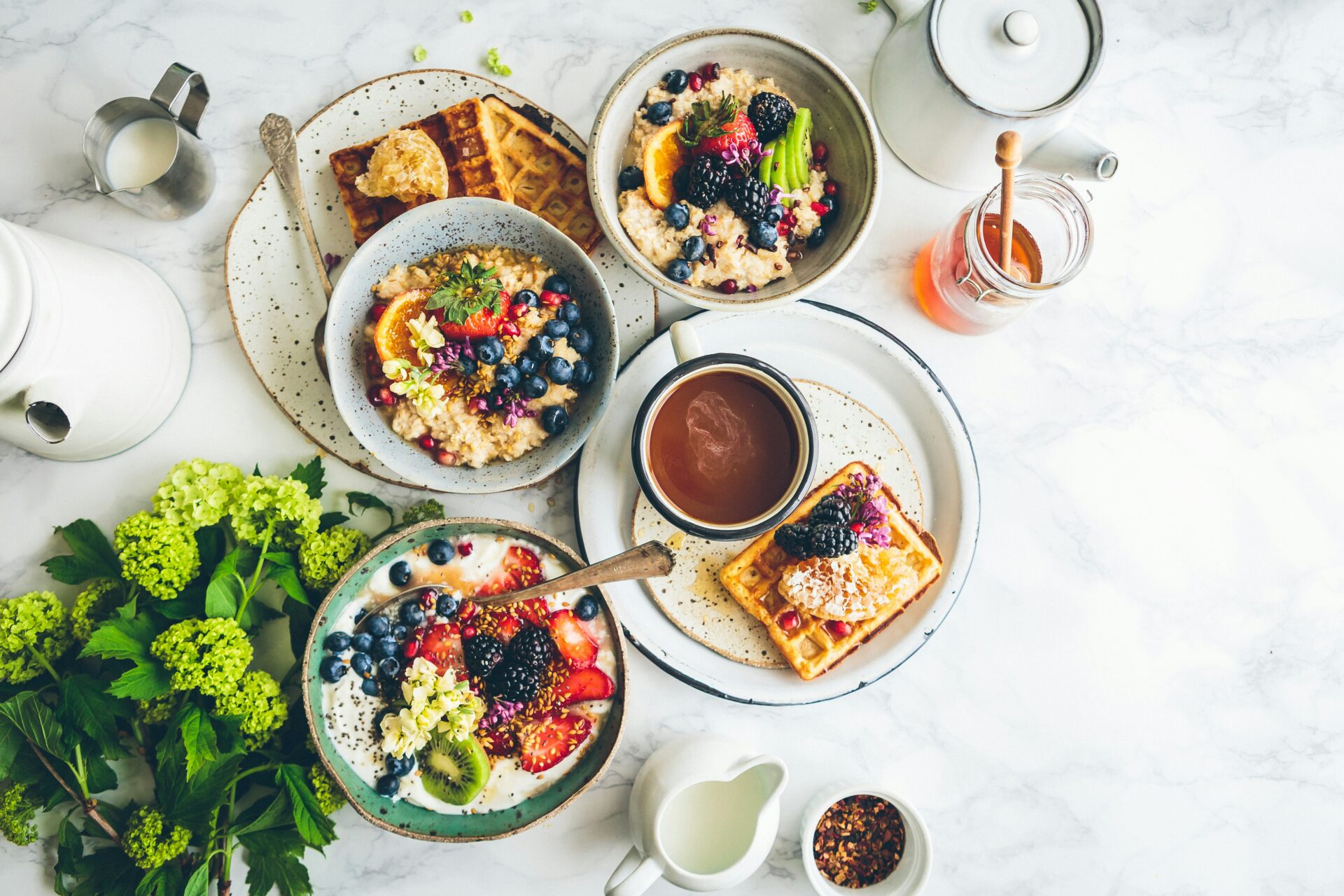
What to Eat for Breakfast on Ozempic or Wegovy
Mornings can be tricky. Appetite suppression is often strongest in the first part of the day, and many patients tell me they're simply not hungry — which creates a real risk of under-eating protein and starting the day in a deficit they don't recover from by dinner.
I recommend a breakfast structure that's protein-first, moderate in fiber, and easy to eat even when appetite is low:
- Eggs with a handful of sautéed leafy greens
- Greek yogurt layered with berries and a tablespoon of ground flaxseed
- A small portion of oatmeal with a scoop of unflavored protein powder and a few walnuts
You don't need a large meal. You need a purposeful one. Even 20–25 grams of protein at breakfast sets up the rest of your day differently.
What About Meal Timing and Portion Size?
GLP-1 medications naturally reduce how much you want to eat at one time. Listen to that signal — it's the medication working as intended. But "eating less" doesn't mean "eating randomly."
Spacing meals evenly through the day — typically three moderate meals rather than grazing or skipping — tends to support more consistent blood sugar management and better protein distribution. Large portions, even of healthy foods, can cause discomfort when gastric emptying is slowed. Smaller, structured meals are your friend here.
Foods That Work Against Your Medication (And Why It Matters)
GLP-1 medications help reduce cravings for low-nutrient, high-calorie foods — but they don't eliminate the physiological impact those foods have on your blood sugar and metabolic health. A study of 72 adults with obesity found that those with the highest added sugar intake experienced the smallest increase in GLP-1 levels following glucose consumption. In other words, a high-sugar diet may be actively undermining the hormonal mechanism your medication depends on.
The foods most likely to work against your GLP-1 therapy:
- Sugary beverages and foods — juice, soda, candy, and sweetened coffee drinks cause rapid blood sugar spikes that counteract the medication's stabilizing effect
- Refined carbohydrates — white bread, regular pasta, crackers, and pastries digest quickly and spike blood sugar in ways fiber-rich whole grains don't
- High-saturated-fat foods — fried foods, fatty processed meats, and baked goods high in butter or shortening slow gastric emptying beyond what's therapeutic, which can worsen nausea and discomfort
Can You Drink Alcohol While on GLP-1 Medications?
This comes up in almost every new patient conversation, and the answer requires more nuance than a simple yes or no.
Alcohol affects blood sugar directly — and for people managing type 2 diabetes or metabolic issues, that interaction is clinically meaningful. Beyond blood sugar, because GLP-1 medications already slow how quickly food and liquid leave your stomach, alcohol's effects can feel more intense and last longer than you're used to. There's also emerging clinical attention to whether GLP-1 medications affect alcohol cravings in some patients — research is ongoing.
Discuss alcohol use with your prescribing provider before drinking, especially if you're on insulin or other blood sugar medications alongside your GLP-1 therapy. If you do drink, do so with food, slowly, and in moderation — and never on an empty stomach.
Making This Work in the Real World
I want to close with something I tell every patient at their first follow-up: the goal here isn't perfection. GLP-1 medications create a window — an opportunity — where dietary change feels more achievable because the biological noise of constant hunger is finally quieter. What you do in that window matters.
You don't need a rigid meal plan. You need a framework: protein at every meal, fiber from real food sources, minimal added sugar and refined carbs, and enough water to support the medication's effects on digestion.
Take one action today: look at tomorrow's meals and identify one place to add a protein or fiber source. That's a change that compounds.
This article is intended for general informational purposes and does not constitute personalized medical or nutritional advice. Always consult your healthcare provider or registered dietitian before making changes to your diet or medication routine.
Free Guide!
Sail Toward Healthier Cooking
Master the Art of Practical Ingredient Swaps