
Discover evidence-based strategies, a screenshot-worthy grocery list, and RD-approved snacks to reduce LDL cholesterol by up to 30% through diet alone.
Table of Contents
Why I Wrote This Guide (And Why It Matters)
Let me be honest with you: when I first saw my own cholesterol numbers creep up in my late twenties, I was surprised. I was a registered dietitian. I knew the science. But knowing and doing are two very different things.
That wake-up call sent me deep into the research, and what I discovered changed everything about how I counsel my clients. Dietary changes alone can drop LDL cholesterol by up to 30%—sometimes rivaling the effects of medication. The catch? You need to know exactly which changes move the needle.
As a clinical RD with over a decade of experience in cardiovascular nutrition, I’ve helped hundreds of patients navigate this exact journey. This guide distills the most impactful, evidence-based strategies into something you can actually use—complete with a grocery list you can screenshot and bring to the store.
Just real food and smart swaps that work.

The Fat Swap: Your Most Powerful Tool for LDL Reduction
If I could give you only one piece of advice, it would be this: swap your fats strategically. Not all fats are created equal, and understanding the difference between saturated fats and unsaturated fats (MUFAs and PUFAs) is the foundation of heart-healthy eating.
Saturated vs. Unsaturated: The Science Simplified
Saturated fats—found in butter, coconut oil, fatty cuts of meat, and full-fat dairy—raise LDL cholesterol by increasing its production in the liver. Meanwhile, heart-healthy fats like MUFAs (monounsaturated fatty acids) and PUFAs (polyunsaturated fatty acids) actually help lower LDL while supporting HDL.
Fat Comparison Table: Know Your Fats
| Fat Type | Sources | Effect on LDL | Verdict |
|---|---|---|---|
| Saturated | Butter, coconut oil, fatty meats, full-fat dairy | Raises LDL | Limit intake |
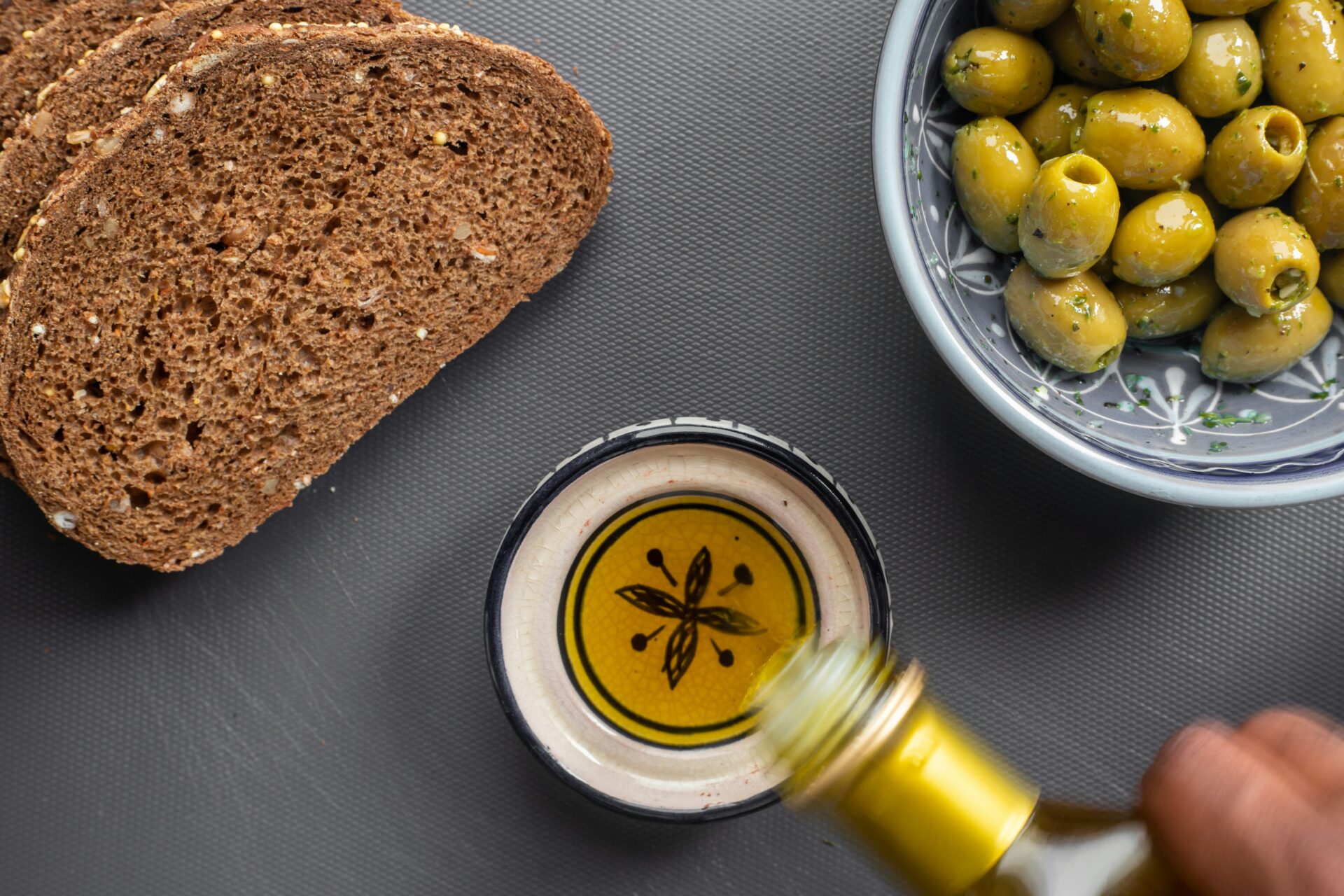
| MUFAs | Olive oil, avocados, almonds, peanuts | Lowers LDL | Choose often |
| PUFAs | Salmon, walnuts, flaxseed, sardines | Lowers LDL | Choose often |
| Trans Fats | Partially hydrogenated oils, some fried foods | Raises LDL significantly | Avoid entirely |
The 100-Calorie Swap That Changes Everything: Here’s a stat that might surprise you. Replacing just 100 calories of saturated fat (about one glazed donut) with the same amount of unsaturated fat can drop your LDL by 6.5 to 10.5 points. That’s one small swap, repeated daily, creating lasting change.
The Unfiltered Truth About Coffee and Cholesterol
Coffee lovers, this one’s for you—and I promise there’s good news at the end.
Your morning brew contains a compound called cafestol, one of the most potent cholesterol-raising substances in the human diet. Cafestol is found in the oily compounds that float freely in unfiltered coffee methods like French press, espresso, Turkish coffee, and Scandinavian boiled coffee.
The solution is beautifully simple: use a paper filter. Paper filters trap cafestol, and research shows that switching from unfiltered to filtered coffee can drop LDL by approximately 15 points. That’s a significant reduction from just changing how you brew.
Drip coffee, pour-over methods, and even single-serve pods all use paper filtration. If you can’t give up your espresso, consider it an occasional treat rather than your daily driver.
The Egg Debate: Settled (Sort Of)
Few foods have experienced the nutritional whiplash that eggs have. Demonized, then redeemed, then questioned again—what’s the actual answer?
The truth is nuanced and depends on your genetics. Your body absorbs dietary cholesterol at rates ranging from 50% to 90%, depending on genetic factors you can’t control. This explains why some people eat eggs daily with no LDL impact, while others see significant increases.
For most people, one egg per day is generally fine—especially when it’s part of a diet rich in vegetables, whole grains, and healthy fats. The key is thinking about the “net benefit swap”: what are you eating instead of that egg?
If your morning egg replaces a processed sausage patty, you’re coming out ahead. If you’re adding eggs on top of bacon, butter-soaked toast, and creamy coffee, the cumulative saturated fat load becomes the real problem.
Soluble Fiber: The Cholesterol Trap Your Body Needs
If dietary fats are the offense, soluble fiber is the defense. Here’s how it works: soluble fiber forms a gel-like substance in your digestive tract that literally traps cholesterol and bile acids, carrying them out of your body before they can be reabsorbed.
The math is straightforward and backed by solid research: every gram of soluble fiber you add to your diet can lower LDL by approximately 2 points. Aim for 10-25 grams of soluble fiber daily for meaningful results.
Your Soluble Fiber All-Stars
- Oats and oat bran: Rich in beta-glucan, the superstar of soluble fibers. A bowl of oatmeal provides about 4 grams.
- Chia seeds: Nearly 5 grams of fiber per tablespoon, most of it soluble.
- Psyllium husk (Metamucil): One tablespoon delivers about 5 grams of soluble fiber. Easy to add to smoothies or water.
- Beans and lentils: Black beans, kidney beans, and lentils are fiber-rich snacks that work double duty.
- Apples, citrus, and berries: Pectin-rich fruits that taste great and fight cholesterol.
Pro tip: Increase fiber gradually over 2-3 weeks to avoid digestive discomfort, and drink plenty of water.
Plant Sterols and Proteins: The Supporting Cast
The Power of Phytosterols
Plant sterols (phytosterols) are natural compounds that structurally resemble cholesterol. They compete with cholesterol for absorption in your intestines—and they win. Consuming 2 grams of plant sterols daily can reduce LDL by 5-15%.
You’ll find meaningful amounts in nuts, seeds, whole grains, and legumes. For a concentrated dose, look for fortified foods like certain margarines, orange juice, and yogurt drinks specifically designed for heart health.
The Protein Swap Strategy
Replacing some animal protein with plant-based options is a proven strategy aligned with both the Mediterranean diet and DASH diet approaches. When you swap a beef burger for a black bean burger, you’re not just removing saturated fat—you’re adding fiber, plant sterols, and other heart-protective compounds.
Legumes (beans, lentils, chickpeas) and nuts (especially almonds and walnuts) are your best bets. They provide protein, fiber, and healthy fats in one package.
Lifestyle Factors: The Multipliers
Exercise: Move Your Body, Move Your Numbers
Physical activity doesn’t dramatically lower LDL, but it does boost HDL (the “good” cholesterol) and improves your overall lipid profile. Both cardio and resistance training contribute to cardiovascular health. Aim for at least 150 minutes of moderate activity weekly—that’s about 30 minutes, five days a week.
Probiotics: An Honorable Mention
The research on probiotics and cholesterol is promising but still evolving. Fermented foods like kimchi, miso, kefir, and yogurt support gut health, and emerging evidence suggests certain probiotic strains may modestly reduce LDL. While I wouldn’t bet your heart health solely on fermented foods, they’re a delicious addition to a cholesterol-lowering diet.
Safety Warning: Supplements to Avoid
Before you head to the supplement aisle, we need to talk about two products that carry serious risks.
Red Yeast Rice: This supplement contains monacolin K, which is chemically identical to the active ingredient in lovastatin (a prescription statin). While it can lower cholesterol, the concentration varies wildly between products, and many are contaminated with citrinin, a fungal toxin that can damage your kidneys. If you need statin-level intervention, get an actual prescription with quality control and proper monitoring.
Green Tea Extract: Concentrated green tea extract supplements have been linked to liver damage in some individuals. Drinking green tea is generally safe and may offer modest benefits, but high-dose extracts are a different story. The FDA has received numerous reports of liver injury associated with these products.
The bottom line: Food-based approaches are safer and often just as effective. Save your money—and your organs.

The Ultimate Cholesterol-Lowering Grocery List
Produce
- Apples (pectin-rich for fiber)
- Oranges and grapefruit (pectin + vitamin C)
- Berries (blueberries, strawberries, raspberries)
- Avocados (heart-healthy MUFAs)
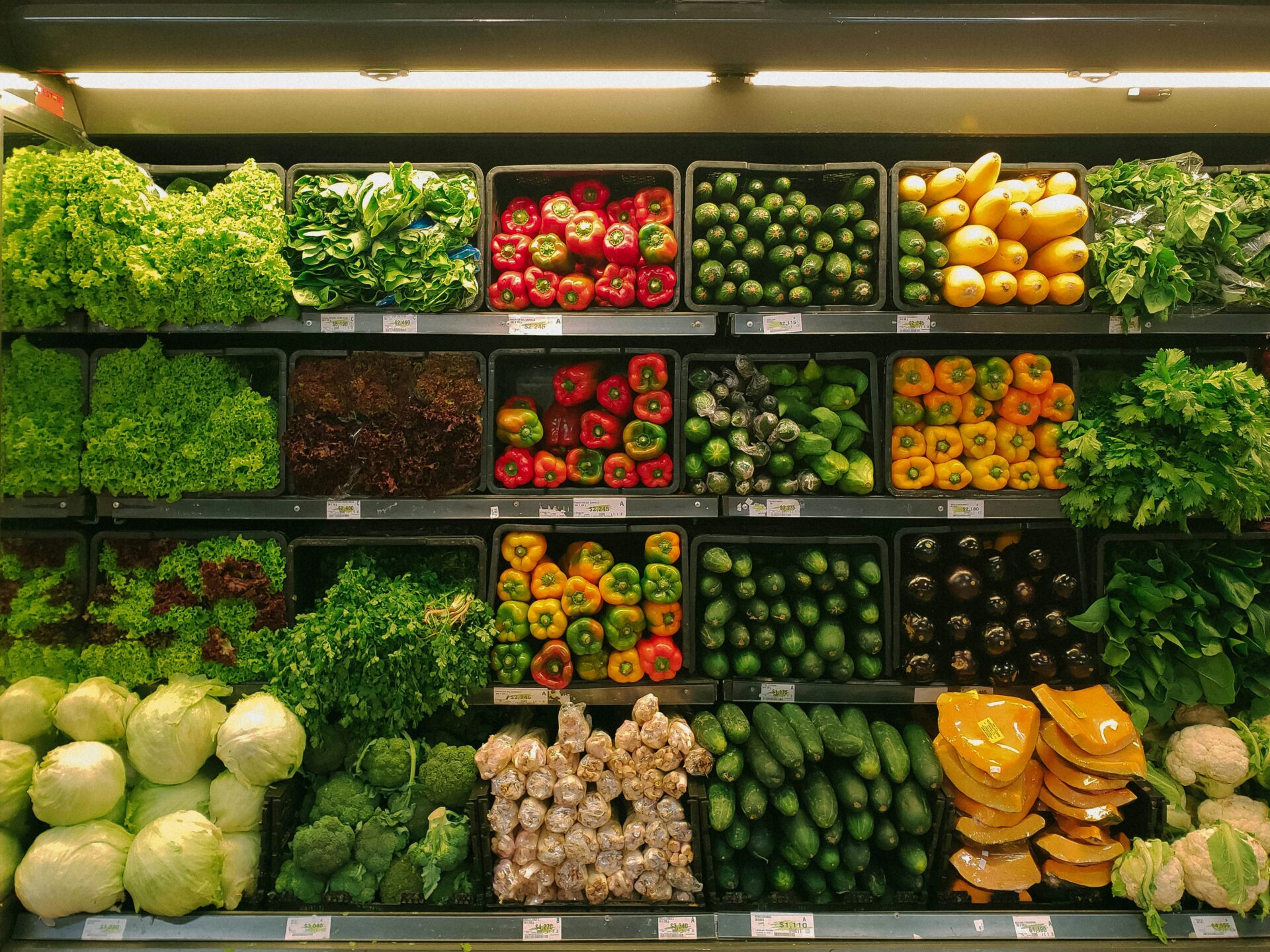
- Leafy greens (spinach, kale, arugula)
- Brussels sprouts and broccoli
- Sweet potatoes
- Garlic and onions
Grains and Fiber-Rich Foods
- Steel-cut or rolled oats (beta-glucan powerhouse)
- Oat bran
- Barley (another beta-glucan source)
- Quinoa
- Brown rice
- Whole grain bread (check labels—first ingredient should be whole grain)
- Psyllium husk (Metamucil or generic)
Protein Sources
- Salmon (wild-caught if possible—rich in omega-3 PUFAs)
- Sardines and mackerel
- Skinless chicken breast
- Black beans, kidney beans, chickpeas
- Lentils (red, green, or brown)
- Tofu and edamame
- Eggs (in moderation—1 per day for most people)
Healthy Fats
- Extra virgin olive oil (your primary cooking oil)
- Avocado oil
- Walnuts (highest omega-3 content of tree nuts)
- Almonds
- Chia seeds
- Ground flaxseed
- Natural almond or peanut butter (no added oils)
Snacks and Extras
- Dark chocolate (70%+ cacao, in moderation)
- Hummus
- Plain Greek yogurt
- Kimchi, miso, or kefir (for probiotic benefits)
- Plant sterol-fortified margarine or orange juice
- Green tea (brewed, not extract supplements)
5 RD-Approved Snacks for Lowering Cholesterol
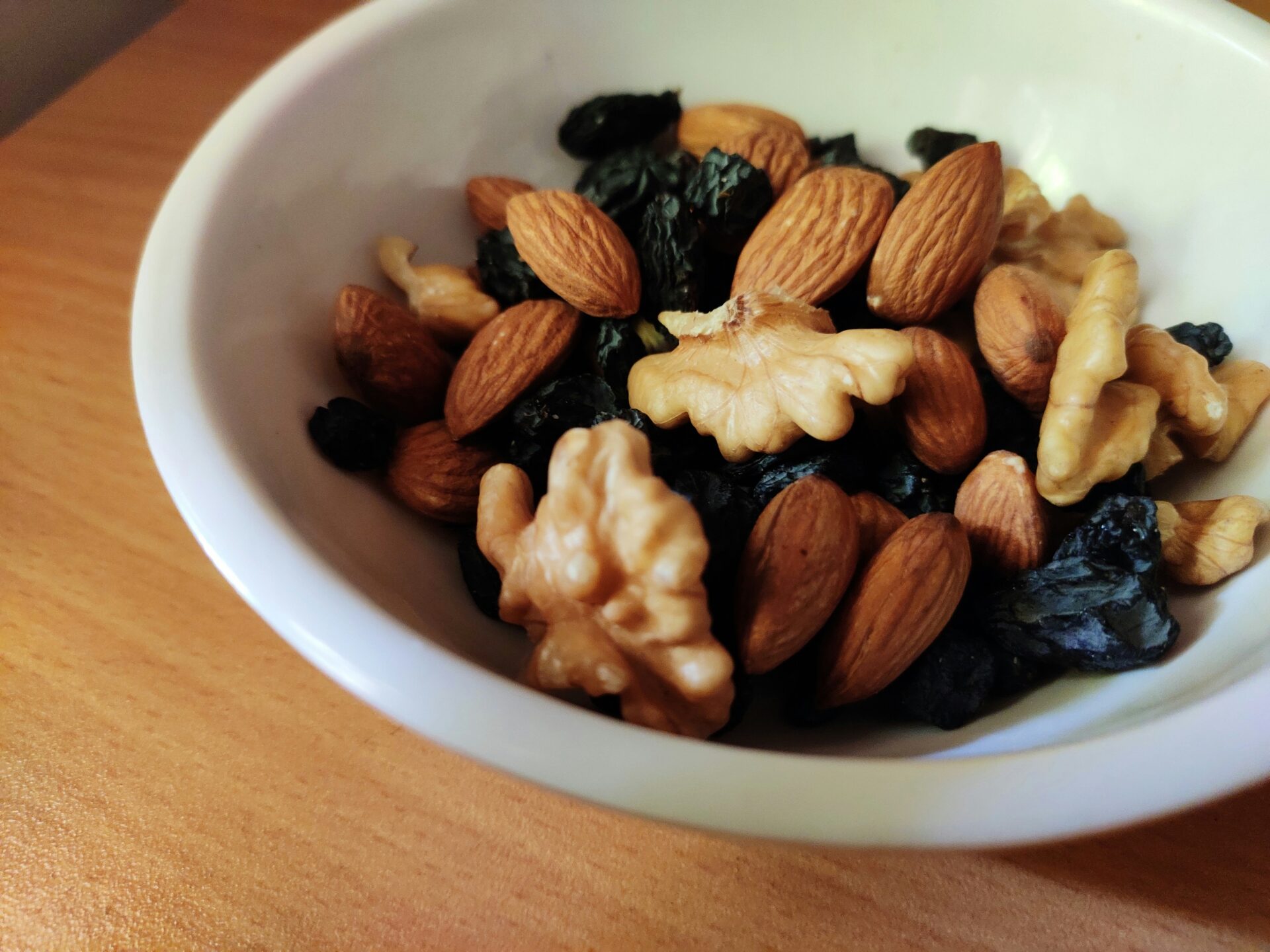
These fiber-rich snacks are easy to prepare and genuinely delicious. Each one combines multiple cholesterol-lowering strategies.
- Apple Slices with Almond Butter and Chia Seeds Slice a medium apple and spread with 2 tablespoons of natural almond butter. Sprinkle with 1 tablespoon of chia seeds. You get pectin from the apple, MUFAs from the almond butter, and soluble fiber from the chia seeds—a triple threat.
- Overnight Oats with Berries and Walnuts Mix ½ cup rolled oats with ½ cup milk (or plant milk), 1 tablespoon chia seeds, and a handful of berries. Refrigerate overnight. Top with crushed walnuts before eating. Beta-glucan, PUFAs, and antioxidants in one jar.
- Hummus with Veggie Sticks and Whole Grain Crackers Pair ¼ cup hummus with carrot sticks, cucumber slices, and a few whole grain crackers. Chickpea-based hummus provides plant protein and fiber, while the vegetables add volume without extra calories.
- Edamame with Sea Salt Steam 1 cup of edamame pods and sprinkle with sea salt. This simple snack delivers plant protein, fiber, and phytosterols. It’s also incredibly satisfying—the act of shelling slows you down and makes the snack feel more substantial.
- Greek Yogurt Parfait with Flaxseed and Berries Layer ¾ cup plain Greek yogurt with fresh berries and 1 tablespoon of ground flaxseed. For extra crunch, add a sprinkle of slivered almonds. Protein, probiotics, omega-3s, and fiber in every spoonful.
Frequently Asked Questions
Can I eat eggs if I have high cholesterol?
For most people, yes—one egg per day is generally fine and won’t significantly impact your LDL levels. However, genetic variability means some individuals absorb dietary cholesterol more efficiently (up to 90%) than others. If you’re a “hyper-responder,” you may want to limit egg yolks to 3-4 per week and focus on egg whites for additional protein. The bigger picture matters more: an egg as part of a Mediterranean diet-style breakfast is very different from an egg alongside bacon and buttered toast.
Does exercise lower LDL cholesterol?
Exercise has a modest direct effect on LDL but significantly impacts your overall cardiovascular health. Regular physical activity raises HDL (good cholesterol), lowers triglycerides, helps with weight management, and improves blood pressure. Both cardio and resistance training contribute to heart health. Aim for 150 minutes of moderate aerobic activity weekly, plus two days of strength training. Think of exercise as a multiplier—it enhances the benefits of your dietary changes and supports long-term heart health in ways that go beyond any single cholesterol number.
Your One-Week Challenge
I know this is a lot of information. You don’t need to overhaul your entire diet overnight—that’s a recipe for burnout, not better health.
Pick one change this week. Maybe it’s swapping your morning pastry for oatmeal with berries. Maybe it’s switching from French press to drip coffee. Maybe it’s adding a handful of walnuts to your afternoon snack.
One sustainable change, practiced consistently, beats a dozen dramatic changes abandoned after a week. Your heart is in this for the long game—and so should your approach be.
Remember: dietary changes can lower LDL by up to 30%. That’s real, meaningful, achievable change. You have more power over your cholesterol than you might think.
Now grab that grocery list and make your next trip to the store count.
Disclaimer: This article is for informational purposes only and does not constitute medical advice. Always consult with your healthcare provider before making significant dietary changes, especially if you’re taking cholesterol-lowering medications or have existing health conditions.
Free Guide!
Sail Toward Healthier Cooking
Master the Art of Practical Ingredient Swaps